

If your garage door won’t close or your garage door won’t close all the way, you’re not alone. This is one of the most common service calls we get at ProLift Garage Doors of Spartanburg—and it’s usually fixable once you identify the cause.
Below are the most common reasons garage door won’t close, plus practical garage door troubleshooting steps you can try before calling a professional.
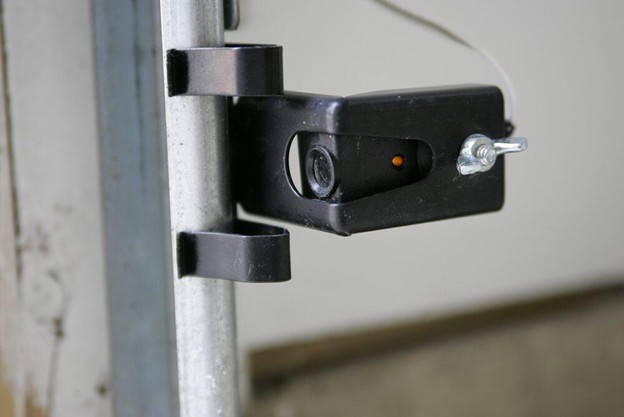
1. Garage Door Safety Sensor Issue
Modern doors use photo-eye sensors near the floor. If there’s a garage door safety sensor issue, the opener will stop or reverse.
Look for:
- Blinking lights on the sensors (a common garage door light blinking signal)
- Dirty lenses or loose wires
- Sensors knocked out of position
Quick fix:
- Clean lenses with a soft cloth
- Check wiring
- Adjust for proper garage door sensor alignment (both lights should be solid)
2. Garage Door Obstruction or Track Problems
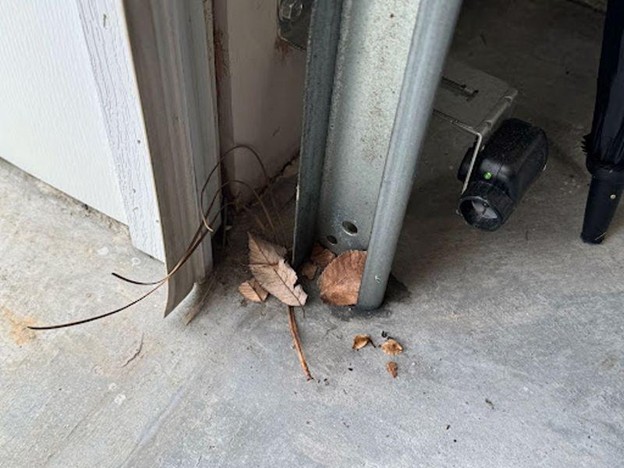
Even small debris can stop a door from closing.
Common issues:
- Toys, rocks, or tools causing a garage door obstruction
- Bent tracks or buildup leading to garage door track problems
- Worn rollers getting stuck
What to do:
- Clear the path
- Inspect tracks for damage
- Avoid forcing the door, as this can worsen the issue
3. Garage Door Remote Not Working
If your garage door remote not working is the problem, the door may not receive the signal to close.
Check:
- Dead batteries
- Range or interference issues
- Lock or vacation mode on the wall control
4. Garage Door Opener Malfunction
A garage door opener malfunction can prevent full closure.
Symptoms:
- Humming motor but no movement
- Door starts then reverses
- Intermittent operation
This may involve internal components, wiring, or worn gears.
5. Garage Door Limit Settings and Force Adjustments
Your opener uses programmed limits to know when to stop.
If misadjusted:
- The door may stop short (garage door won’t close all the way)
- Or reverse before hitting the ground
Solutions:
- Adjust garage door limit settings
- Fine-tune garage door force adjustments (best done carefully or by a professional)
6. Garage Door Won’t Close in Cold Weather
Cold temperatures can cause:
- Contracted metal parts
- Thickened lubricant
- Stiff rollers
If your garage door won’t close in cold weather, lubrication and adjustment may help.
7. Chain or Belt Problems
Loose or worn drive systems can cause inconsistent closing.
Watch for:
- Jerky movement
- Loud noises
- Slack chain (garage door chain problems)
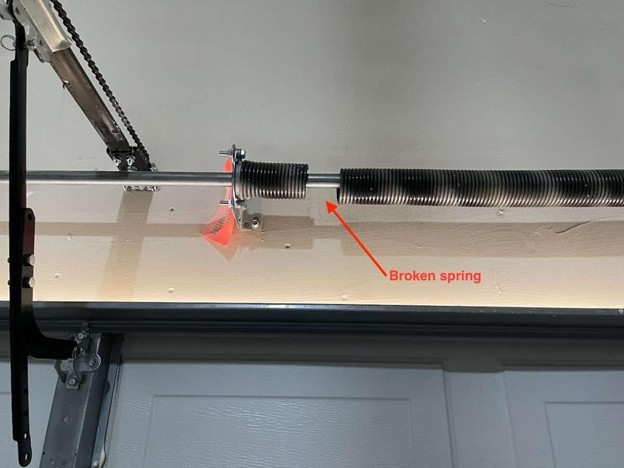
8. Garage Door Spring Issues
Broken or failing springs affect how the door moves.
Signs:
- Door feels heavy
- Will not stay closed
- Visible gap in torsion spring
Important: Never attempt DIY spring repair. These components are under extreme tension and can cause serious injury.
9. Perform a Garage Door Balance Test
An unbalanced door stresses the opener and may prevent proper closing.
Simple test:
- Disconnect the opener
- Lift the door halfway
- Let go
If it drops or rises, service is needed. A proper garage door balance test is essential for long-term performance.
How to Fix Garage Door Issues Safely
Here are some basic garage door repair tips:
- Keep sensors clean and aligned
- Lubricate moving parts regularly
- Inspect tracks and rollers
- Replace remote batteries
Routine garage door maintenance can prevent most issues before they start.
When to Call a Professional
If your troubleshooting does not solve the problem, or if you are dealing with springs, wiring, or persistent issues, it is time to call a professional.
At ProLift Garage Doors of Spartanburg, we specialize in diagnosing and repairing these problems quickly and correctly. We will identify the issue and restore safe, reliable operation.
Contact us today to schedule service.