

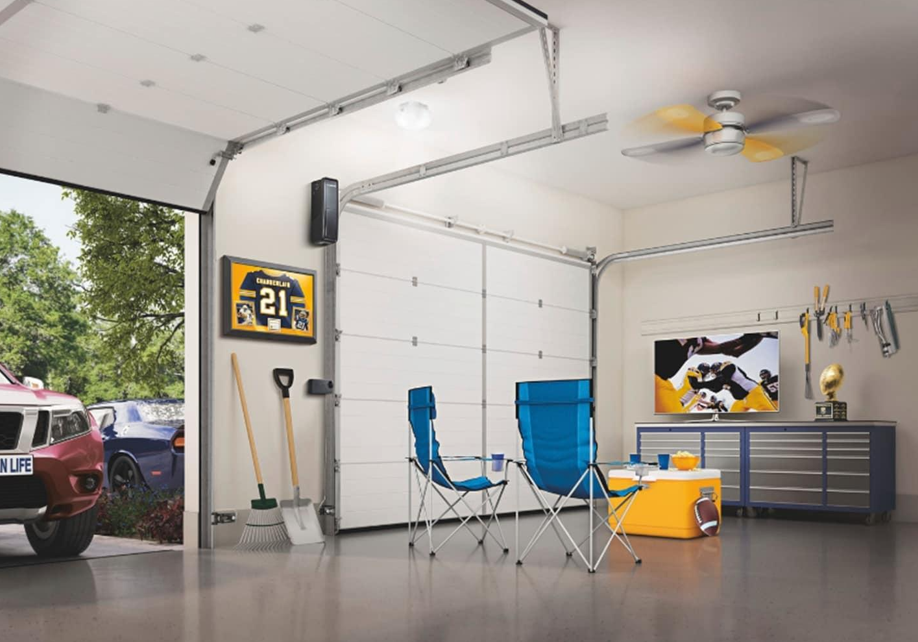
When it comes to garage door openers, not all systems are created equal. While residential and commercial openers may look similar at a glance, they’re built for very different purposes. Choosing the right one isn’t just about convenience—it’s about safety, performance, and long-term reliability.
At ProLift Garage Doors of Spartanburg, we regularly help both homeowners and business owners make the right call. Here’s what you need to know.
Residential Garage Door Openers
Residential openers are designed for low to moderate daily use—typically a few cycles per day. They focus on convenience, quiet operation, and affordability.
Key Features:
- Light-duty motors (usually ½ to 1¼ HP)
- Quieter operation (belt or chain drive options)
- Smart home integration (Wi-Fi, app control)
- Cost-effective installation and maintenance
Best For:
- Single-family homes
- Light-use garages
- Homeowners prioritizing quiet operation
Example: A standard two-car garage that opens 4–8 times per day.
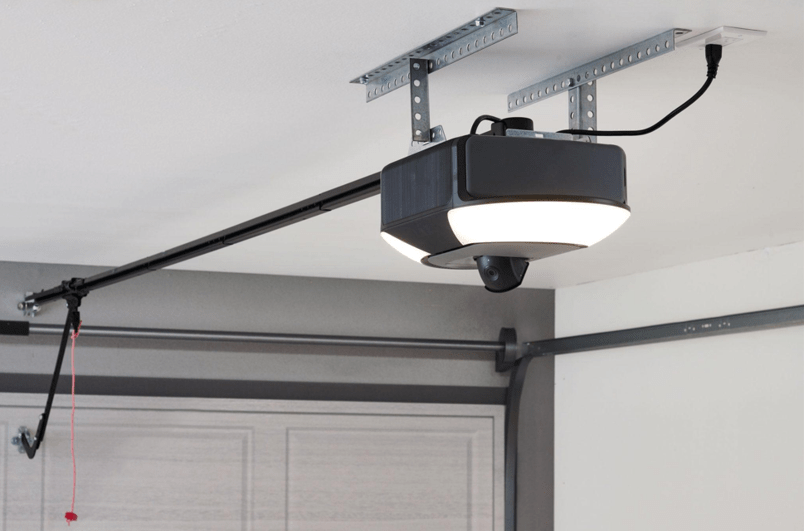
Commercial Garage Door Openers
Commercial openers are built for high-cycle, heavy-duty applications. These systems are engineered to handle larger doors, more frequent use, and tougher environments.
Key Features:
- Heavy-duty motors (often 1/2 HP and up but built for torque and longevity)
- High-cycle capability (dozens to hundreds of cycles per day)
- Multiple operator types:
- Jackshaft (wall-mounted for high-lift doors)
- Hoist (for rolling steel doors)
- Trolley (for standard sectional doors)
- Advanced safety features (monitored safety devices, edge sensors, timers)
- Durability in harsh environments (dust, moisture, temperature swings)
Best For:
- Warehouses and distribution centers
- Commercial properties and storage facilities
- Auto shops, fire stations, and loading docks
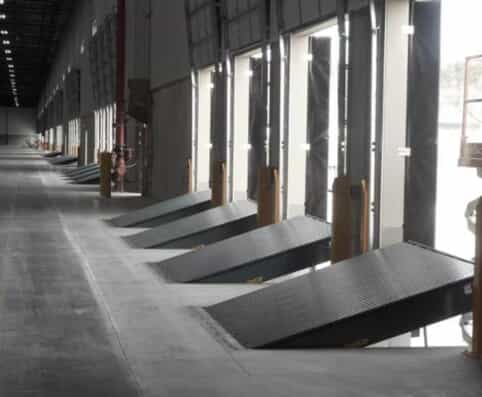
Example: A loading dock door cycling 50–100 times daily.
Key Differences at a Glance
Residential Openers
- Usage Frequency: Low (4–10 cycles/day)
- Motor Strength:Light to moderate
- Durability: Standard lifespan
- Safety Requirements: Basic sensors
- Cost: Lower upfront
Commercial Openers
- Usage Frequency: High (25–100+ cycles/day)
- Motor Strength: Heavy-duty, high torque
- Durability: Built for long-term abuse
- Safety Requirements: Advanced monitored systems
- Cost: Higher upfront, lower long-term cost per cycle
Why Choosing the Right Opener Matters
Installing the wrong type of opener can lead to:
- Premature wear and breakdowns
- Safety risks for employees or family
- Increased repair and downtime costs
A residential opener on a commercial door will fail quickly under heavy use. On the flip side, a commercial opener in a home is often overkill and unnecessarily expensive.
ProLift’s Recommendation
If you’re unsure which system you need, ask yourself:
- How many times per day will the door open?
- How large and heavy is the door?
- Is this a revenue-generating or safety-critical door?
If the answer leans toward frequent use or business operations, a commercial opener is the right investment.
Need Help Choosing?
At ProLift Garage Doors of Spartanburg, we specialize in both residential and commercial solutions—from quiet home systems to heavy-duty dock and warehouse operators. We’ll assess your door, usage, and environment to recommend the right opener the first time—saving you time, money, and headaches. Contact us today for a professional evaluation or to schedule service.