

The Hidden Garage Door Failure Most Homeowners Never Expect
When a garage door suddenly stops working, most homeowners immediately assume they have a broken spring.
And while broken springs are one of the most common garage door repairs, they aren't the only component that can fail.
Recently, our team at ProLift Garage Doors of Brentwood responded to a service call where the homeowner was convinced their spring had broken. After a closer inspection, we discovered something much less common: the torsion shaft itself had fractured.
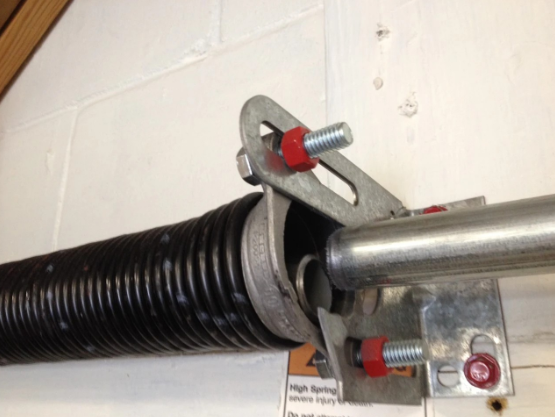
The torsion shaft is the steel tube or solid shaft that runs through the center of the spring system above your garage door. While homeowners rarely notice it, this component plays a critical role in lifting and lowering the door safely.
When it breaks, the garage door can become completely inoperable.
What Does a Torsion Shaft Do?
The torsion shaft serves as the backbone of the entire spring system.
As the springs wind and unwind, the shaft transfers that energy to the cable drums located on each side of the garage door.
These drums pull the lifting cables, which raise and lower the door.
Without a functioning shaft, the springs cannot properly transfer their force to the door.
Think of it like a driveshaft on a vehicle. The engine may be working perfectly, but if the driveshaft breaks, power never reaches the wheels.
The same principle applies to a garage door system.
Why Would a Garage Door Shaft Break?
Although uncommon, shaft failures do occur.
Some of the most common causes include:
Age and Metal Fatigue
Years of repeated opening and closing cycles create stress on the steel. Eventually, microscopic cracks can develop and lead to failure.
Corrosion
Garages often experience humidity and temperature fluctuations. Over time, rust can weaken the metal and reduce its structural strength.
Improper Spring Balance
When springs are improperly sized or unevenly tensioned, excessive stress may be placed on the shaft.
Previous Damage
A garage door that has experienced impact damage, broken springs, or improper repairs may place abnormal loads on the shaft system.
Signs of a Broken Torsion Shaft
A broken shaft can create symptoms that look very similar to a broken spring.
Homeowners may notice:
The garage door won't open
One side of the door lifts differently than the other
Cables become loose or uneven
The opener strains but the door doesn't move properly
The door appears crooked during operation
Loud popping or snapping noises
Because the symptoms are so similar, many homeowners assume the spring is the problem.
Why This Repair Should Never Be Attempted Without Training
The torsion system contains tremendous stored energy.
Even if the spring itself isn't broken, it may still be under significant tension.
Attempting to remove springs, drums, cables, or shafts without proper tools and training can result in serious injury.
Professional technicians use specialized equipment to safely release spring tension before replacing damaged components.
Can a Broken Shaft Be Repaired?
In most cases, the shaft is replaced rather than repaired.
During the repair process, technicians typically inspect:
Torsion springs
Center bearing
End bearing plates
Cable drums
Lift cables
Opener settings
Door balance
Because shaft failures are relatively uncommon, a complete system inspection is important to determine whether another underlying issue contributed to the failure.
Protecting Your Garage Door System
While not every shaft failure can be prevented, routine maintenance can identify warning signs before a complete breakdown occurs.
Regular inspections help catch:
Worn bearings
Rust and corrosion
Improper spring tension
Loose hardware
Cable wear
Balance issues
Addressing these problems early can extend the life of the entire garage door system.
Need Garage Door Repair in Brentwood?
At ProLift Garage Doors of Brentwood, we diagnose and repair everything from broken springs and cables to damaged torsion shafts and complete garage door systems.
If your garage door suddenly stopped working or you're experiencing unusual operation, a professional inspection can identify the true cause before additional damage occurs.